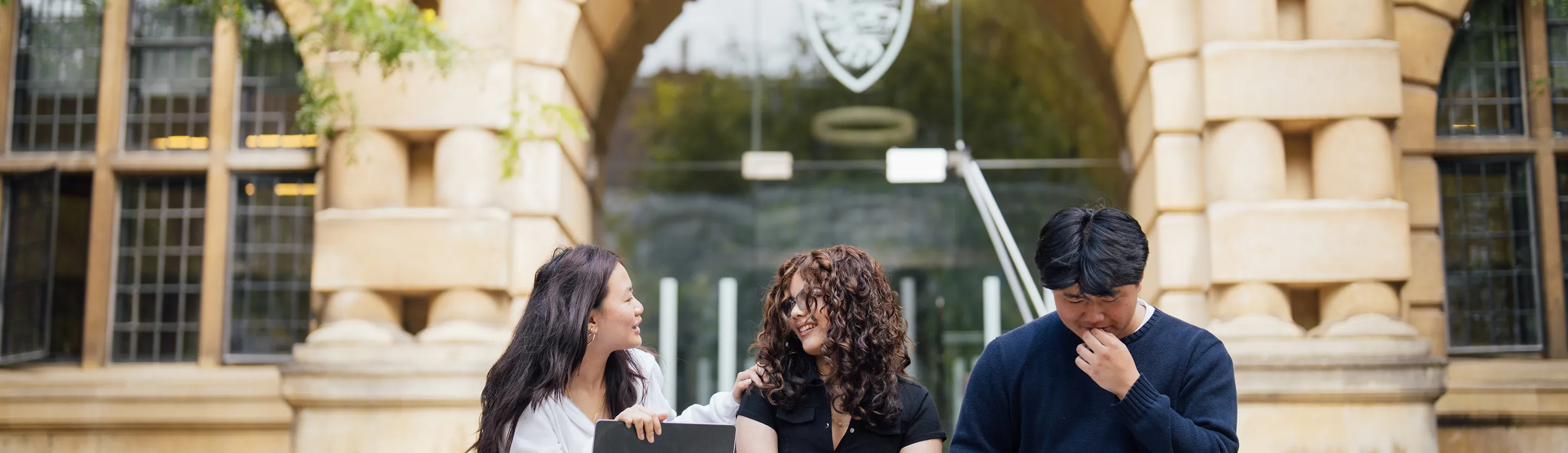
for high school students
OXBRIDGE SUMMER SCHOLARS
Experience life as an Oxbridge student while preparing for your academic future in one of the UK’s most prestigious residential programmes.
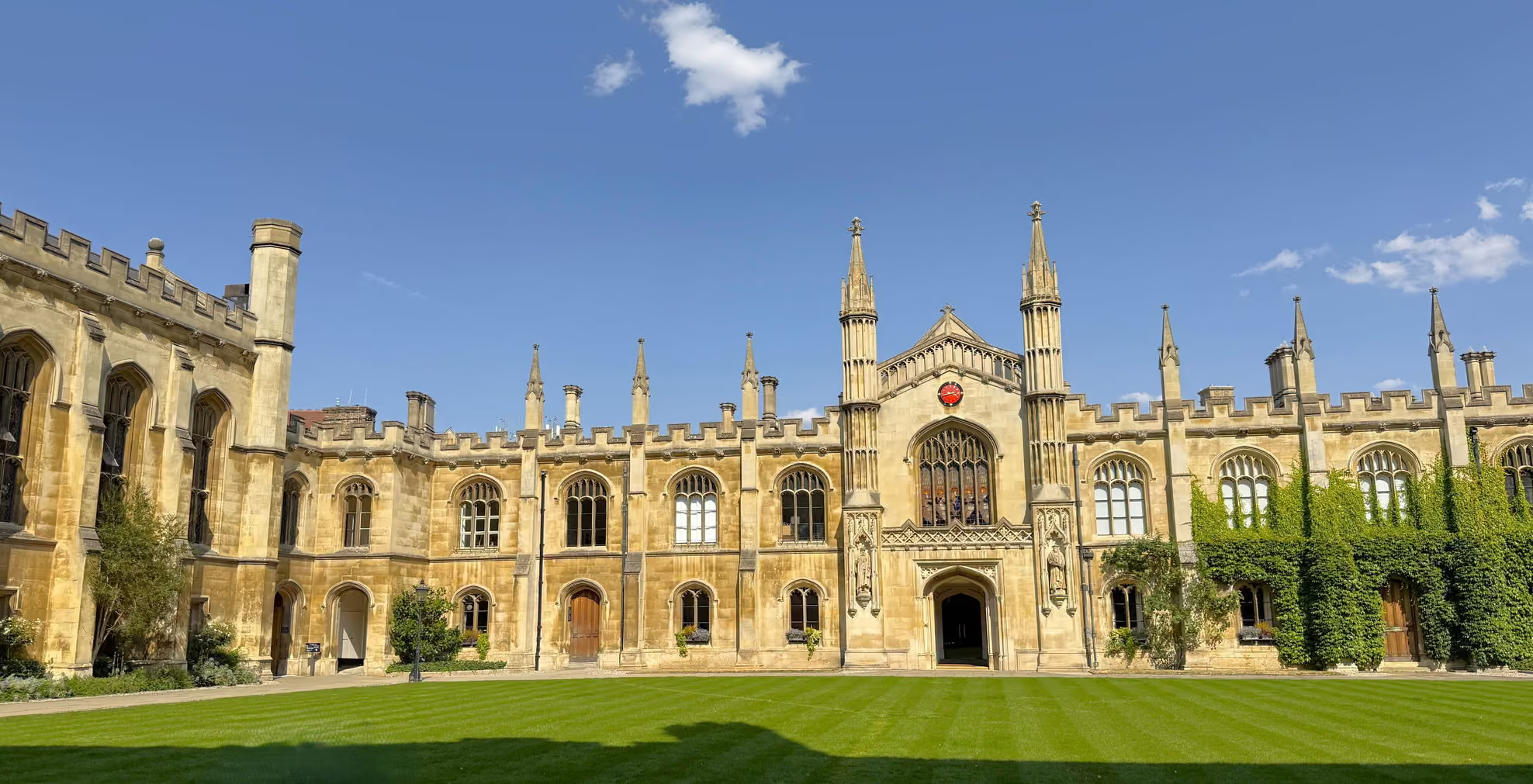
Our Programmes
Explore an immersive Oxbridge academic experience designed to inspire ambitious students and challenge bright minds through two carefully tailored programmes for different age groups.
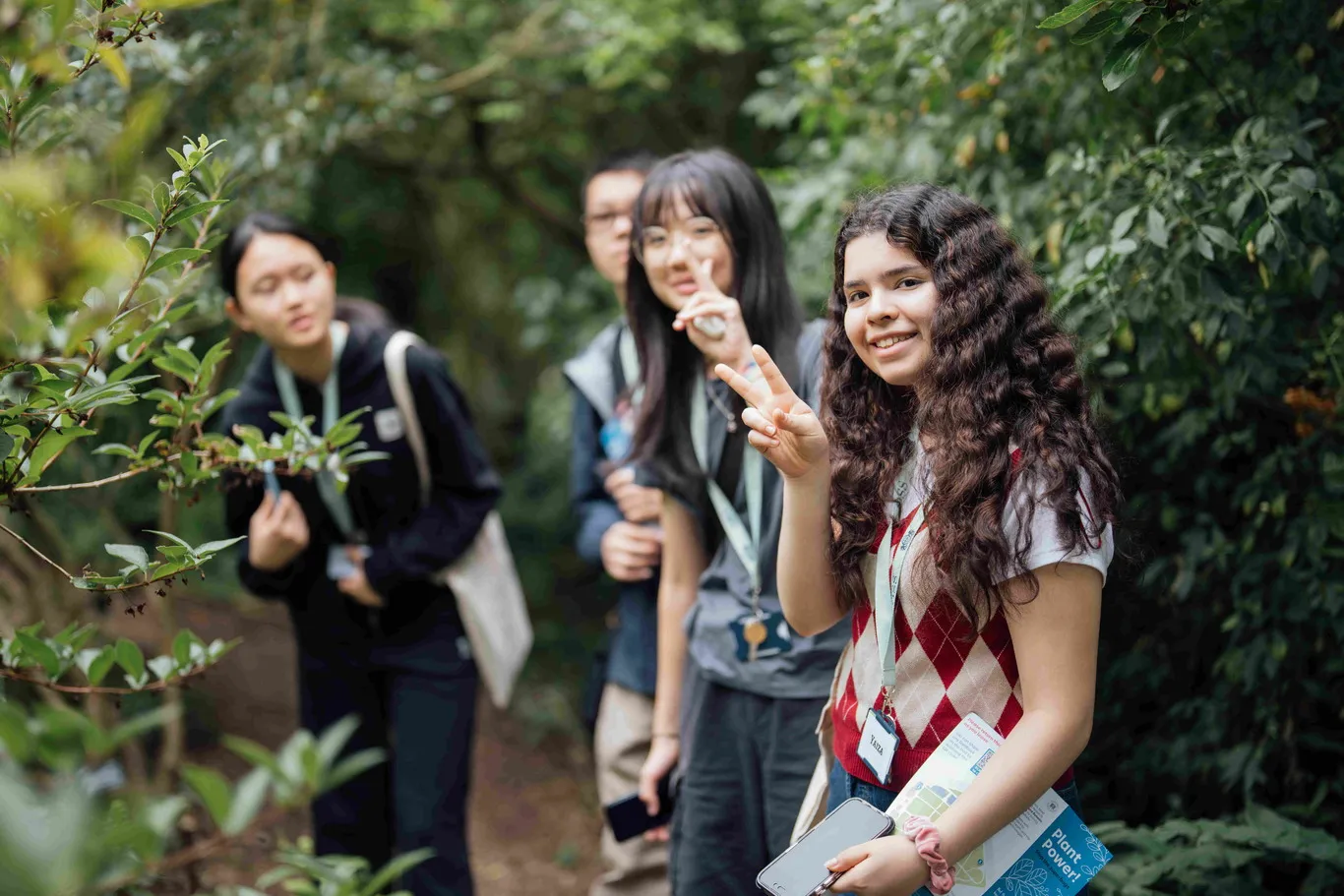

Programme Outcome
Gain a genuine insight into Oxbridge-style learning while developing academic excellence, critical thinking, and global perspectives within a community of motivated peers from around the world.
Step Into Oxbridge Life
Immerse yourself in the world-renowned Oxford or Cambridge educational system. Gain firsthand experience of the teaching methods and academic rigour that have shaped generations of leaders.
Discover Your Passion
Explore a range of interdisciplinary subjects, gaining valuable insights to inform your university choices and future career path.
Build a Global Network
Connect with like-minded students from around the world, fostering lifelong friendships and expanding your global perspective. Our diverse community provides a platform for cultural exchange and collaboration.
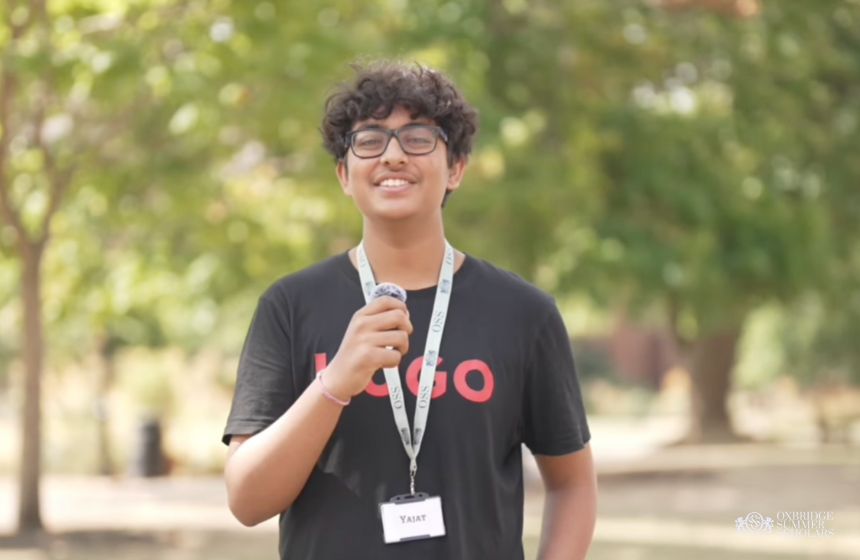
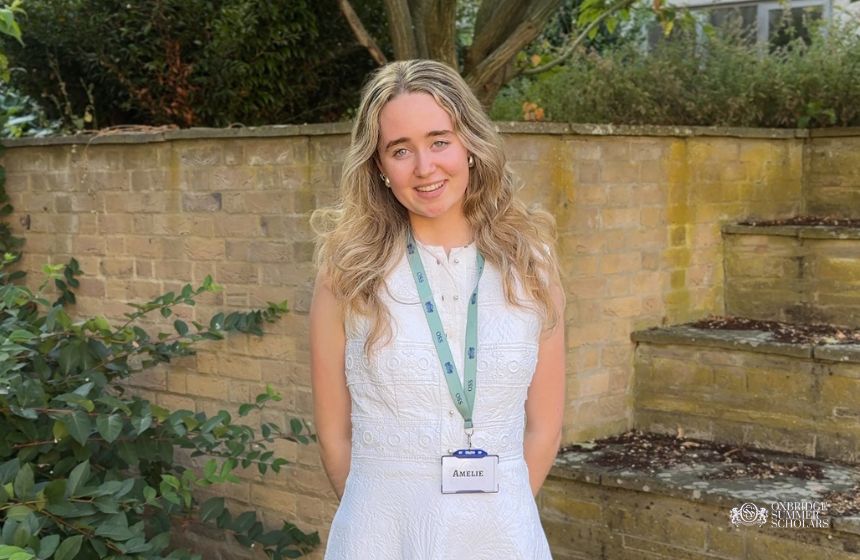
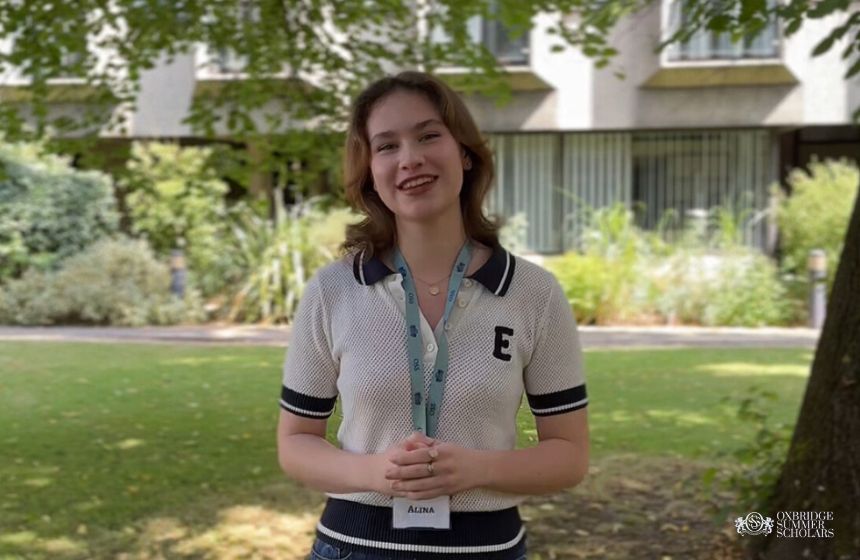
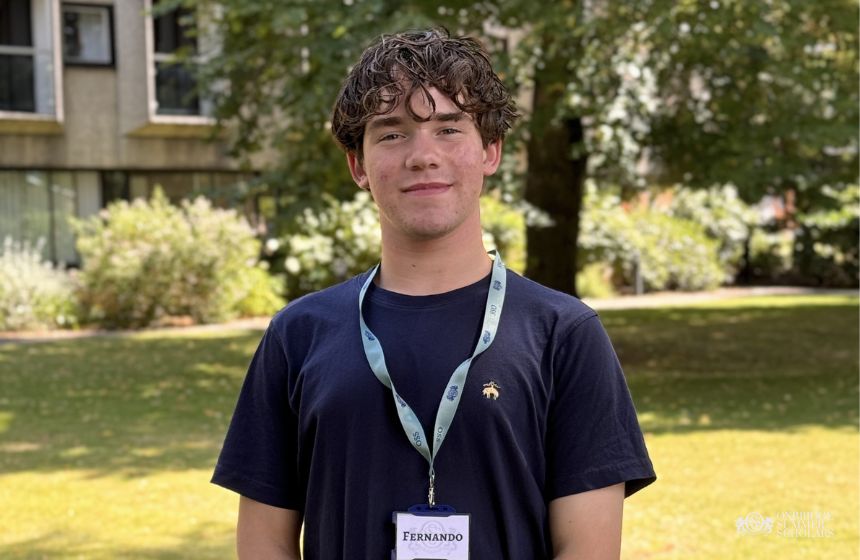
Hear From Our Students
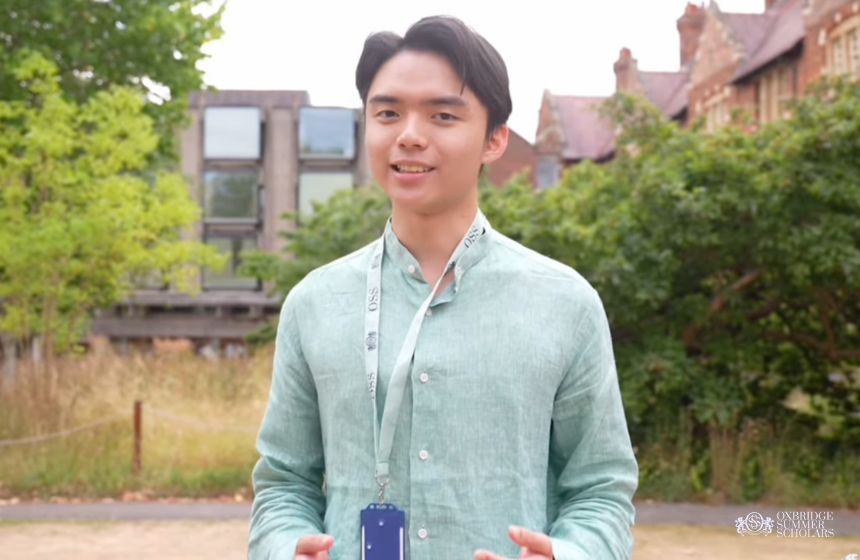
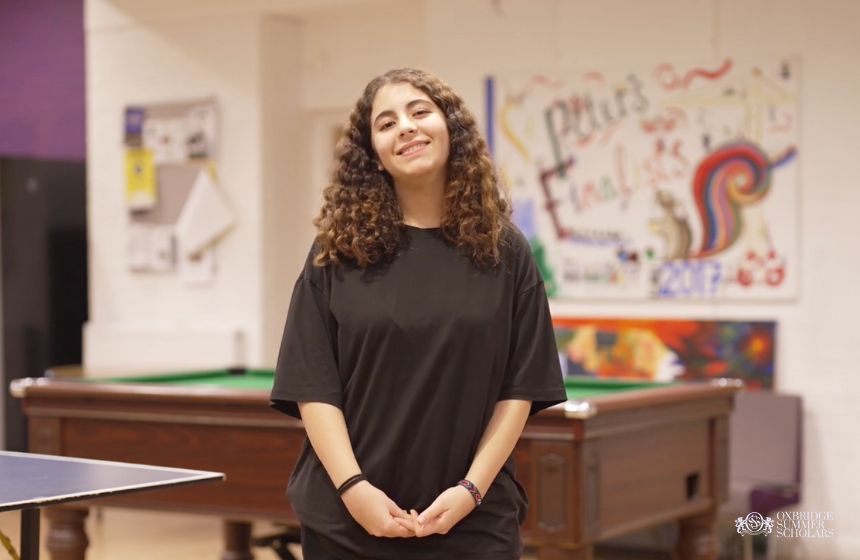
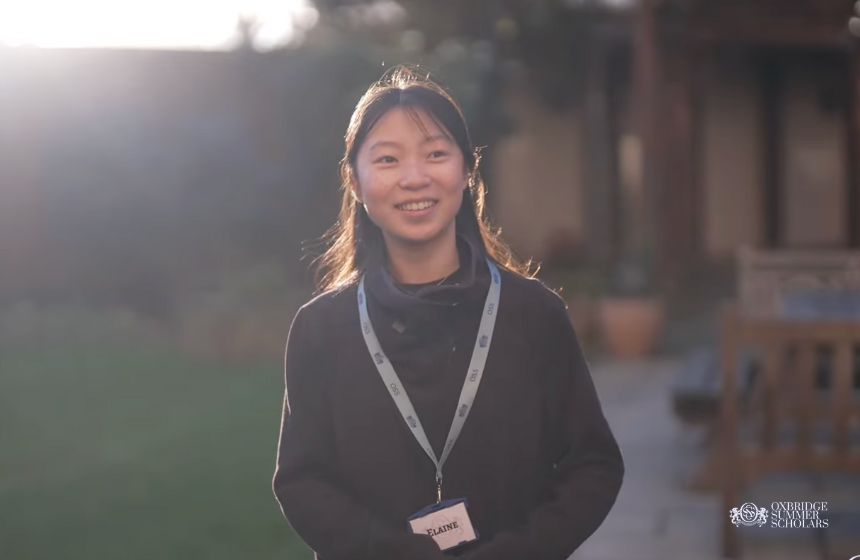
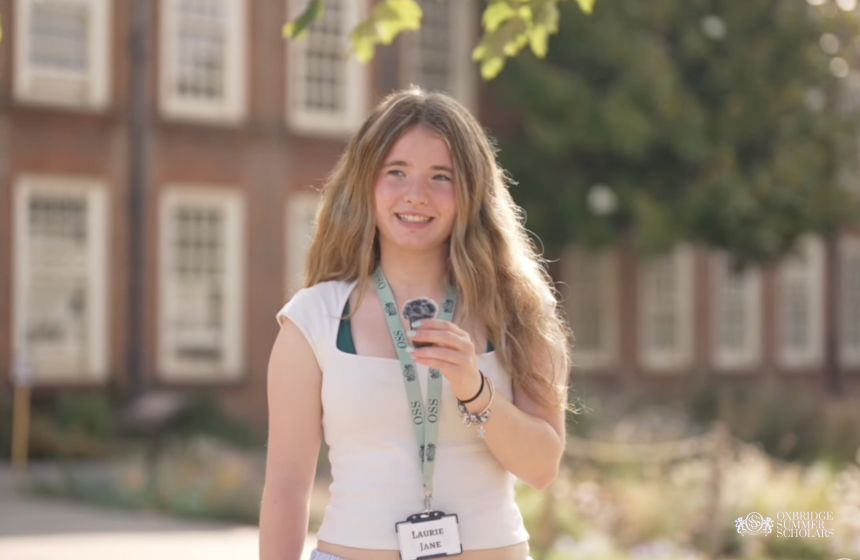
Discover authentic reflections and personal accounts from past Oxbridge Scholars whose experiences continue to shape their academic and professional journeys.


What Makes OSS Unique
Experience a rigorous and distinguished Oxbridge summer programme that integrates exceptional teaching, intellectual exploration, and meaningful personal development.


All-Inclusive Programme Cost
Everything your child needs for an unforgettable Oxbridge experience
DECEMBER PROGRAMMES
£6550
JULY-AUGUST PROGRAMMES
£6950
The total programme cost includes a £500 non-refundable registration fee.
What's included?*
College accommodation
Full board on weekdays;
Half-board on weekends
All tutoring
Trips/extracurricular activities*
24/7 supervision by trained staff
*Certain activities and services available at extra cost.
Not included: International travel to and from the UK, visa costs, or health insurance
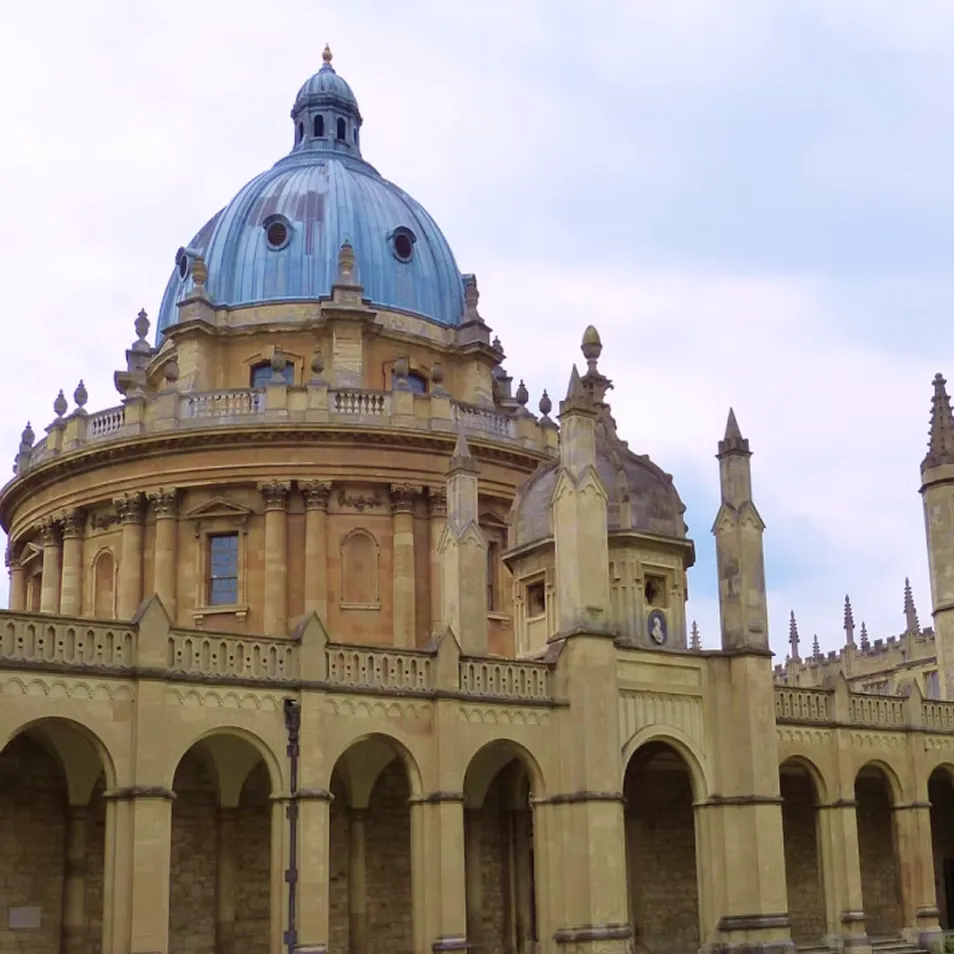
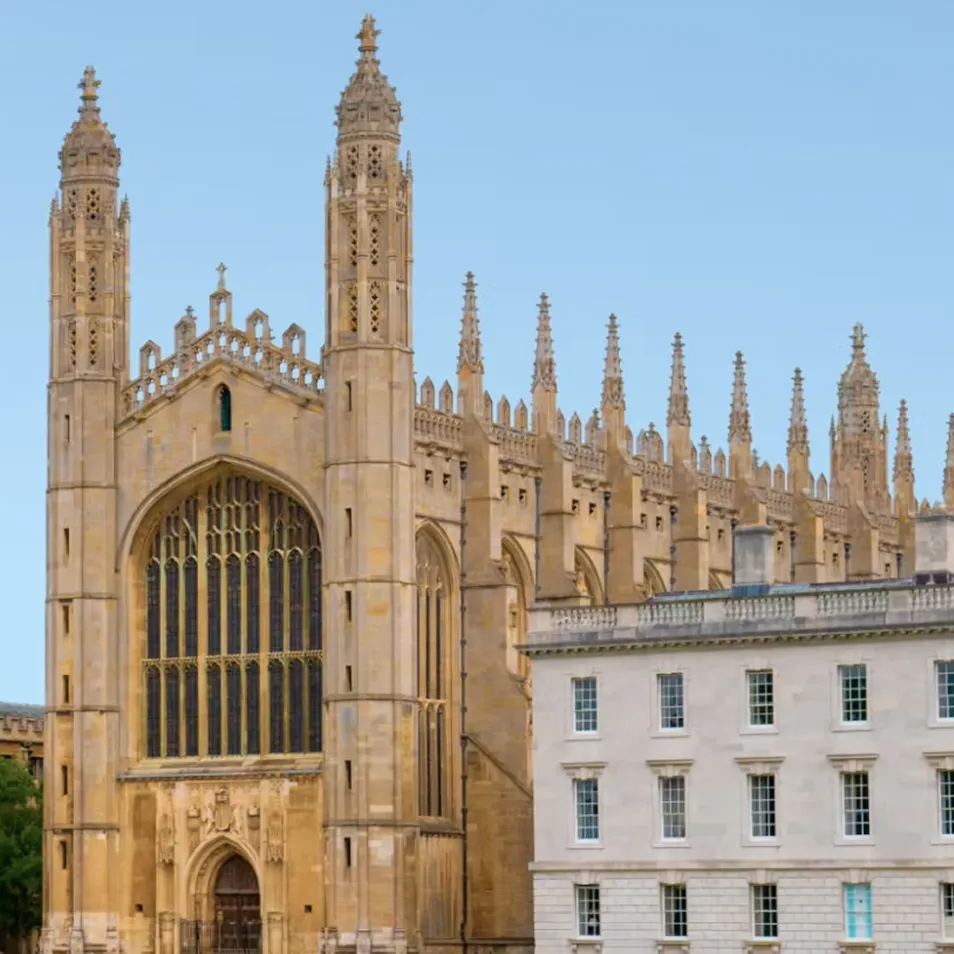
OUR HIGHLIGHTS
Your Summer Begins Here
Explore the defining features of Oxbridge Summer Scholars: academic sessions led by expert tutors, enriching cultural activities, and an inspiring international learning environment.

Meet Our Top Tutor Specialists
We prioritize experience, expertise, and a passion for education, ensuring that our students receive guidance from the best minds.

Sam Hill
Sam is a graduate from the University of Cambridge, where he achieved a double-first-class degree in Philosophy, ranking 4th in his cohort, and 1st in his college, for all three years of his degree. He specialises in Ethics, Philosophy of Mind, and Kant. Sam then went on to complete the Graduate Diploma in Law at BPP University, in which he achieved a distinction.
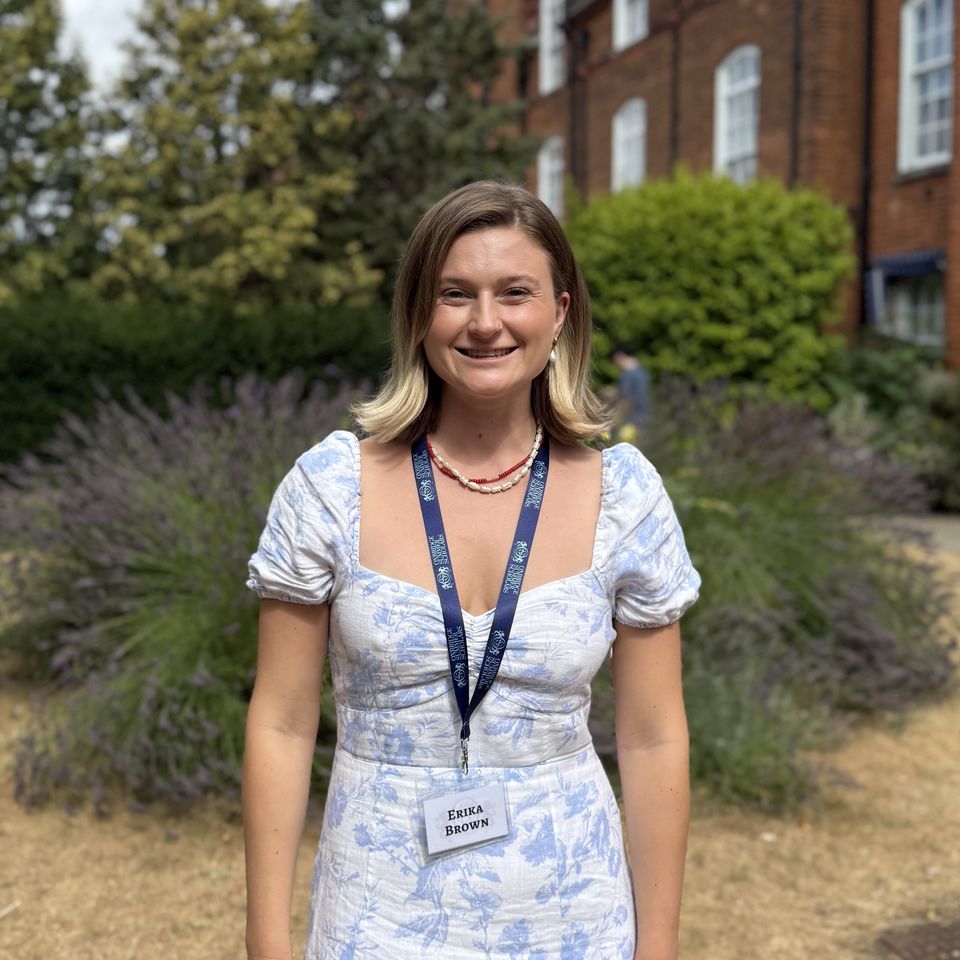
Erika Brown
Erika has a BA in History from the University of Cambridge, where she attained First-class marks in her final year Dissertation, Extended Essay and Special Subject exam. After Cambridge, Erika moved to UCL where she was awarded a Distinction in an MA in Legal and Political Theory, an interdisciplinary course drawing on philosophy, politics and sociology.
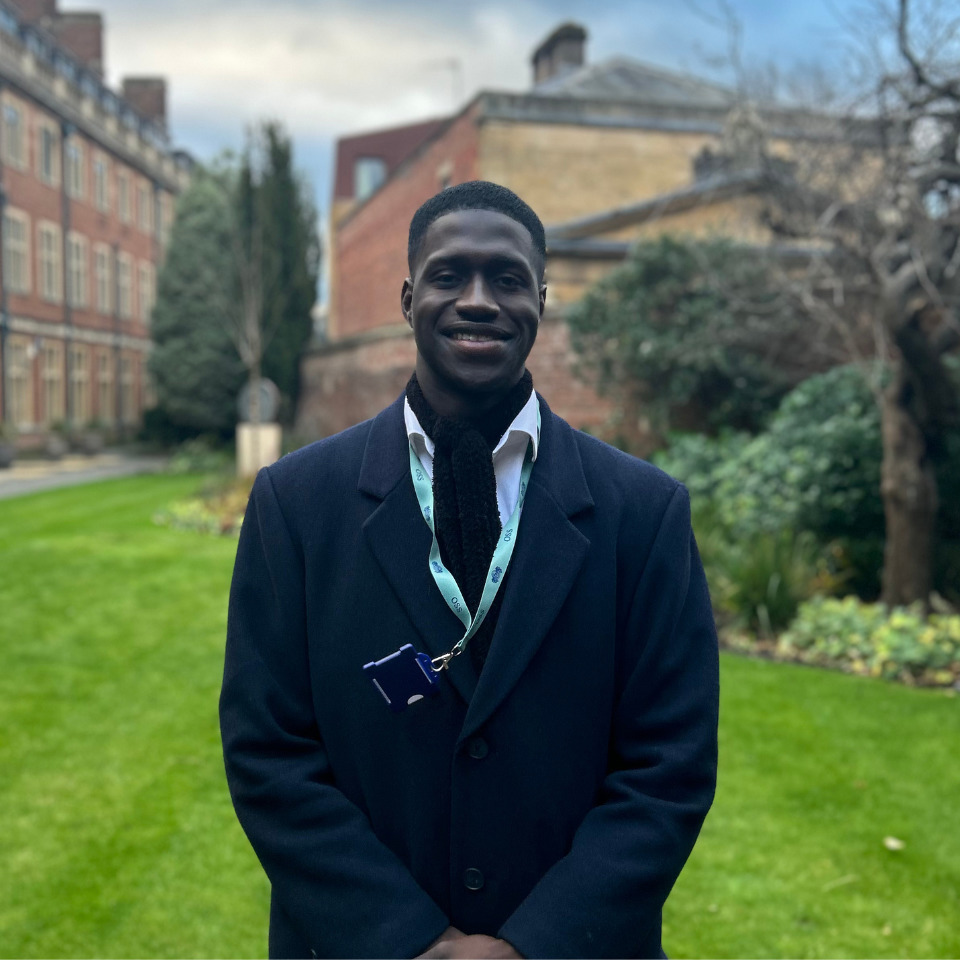
Akinbami Akinlabi
Akinbami graduated from St Hugh's College, University of Oxford, with a BA in Economics and Management. His professional experience spans leading firms including Bain & Company, Accenture, Deutsche Bank, and PwC. He has received an offer in economic consultancy, taught himself to trade, and was recognised as one of the UK Top 150 Black Future Leaders 2022–23.
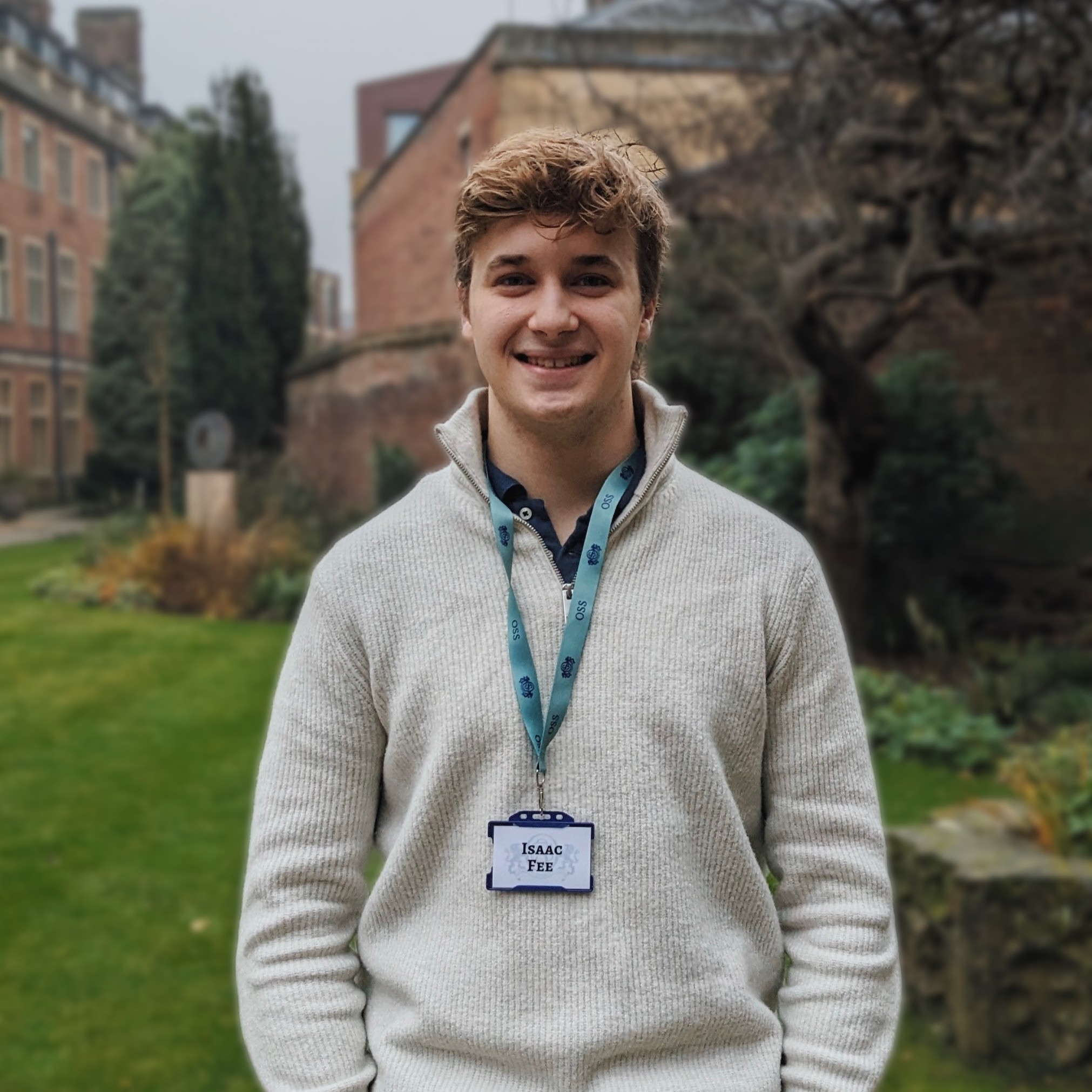
Isaac Fee
Isaac has a BA and MSc in Natural Sciences (Biological) from the University of Cambridge. He conducted research on cancer therapeutics for his MSc. He currently works as a Senior Consultant at Cambridge Consulting Service, which supports student researchers with real-world projects. Isaac is planning to develop his cancer research at PhD level.

Alison Nicoll
Alison holds a BA in Natural Sciences from the University of Cambridge and an MSc in Population Health from University College, London. Alison currently divides her time between tutoring/mentoring and studying for a PhD in Epidemiology and Population Health at University College, London. Alison is particularly interested in the effects of the environment on health.
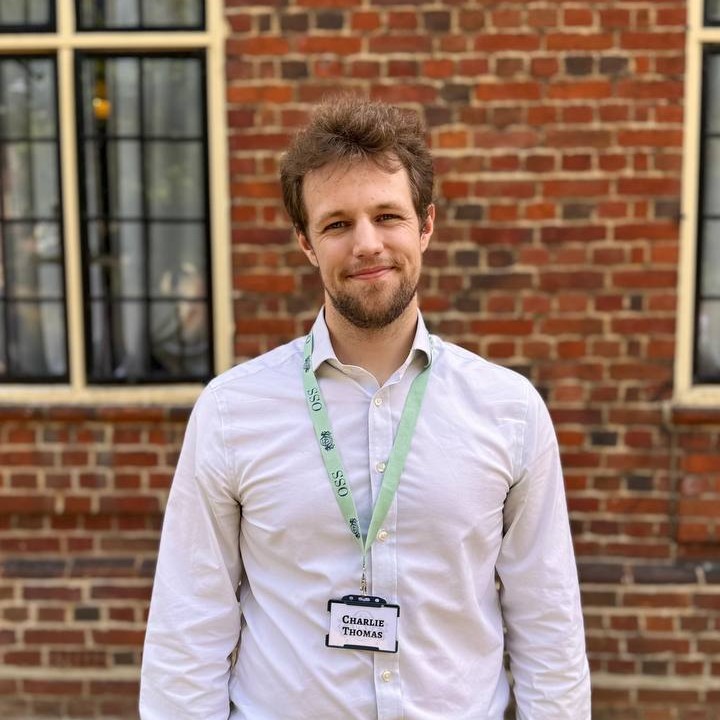
Charlie Thomas
Charlie has a BSc in Mathematics and Philosophy from the University of Durham and is currently pursuing a Master’s in Mathematical and Theoretical Physics at the University of Oxford. Charlie was the joint founder of the payroll and HR software company, Onfolk and tutor in mathematics, physics and computer science.
Akinbami Akinlabi
Akinbami graduated from St Hugh's College, University of Oxford, with a BA in Economics and Management. His professional experience spans leading firms including Bain & Company, Accenture, Deutsche Bank, and PwC. He has received an offer in economic consultancy, taught himself to trade, and was recognised as one of the UK Top 150 Black Future Leaders 2022–23.
Alison Nicoll
Alison holds a BA in Natural Sciences from the University of Cambridge and an MSc in Population Health from University College, London. Alison currently divides her time between tutoring/mentoring and studying for a PhD in Epidemiology and Population Health at University College, London. Alison is particularly interested in the effects of the environment on health.
Charlie Thomas
Charlie has a BSc in Mathematics and Philosophy from the University of Durham and is currently pursuing a Master’s in Mathematical and Theoretical Physics at the University of Oxford. Charlie was the joint founder of the payroll and HR software company, Onfolk and tutor in mathematics, physics and computer science.
Erika Brown
Erika has a BA in History from the University of Cambridge, where she attained First-class marks in her final year Dissertation, Extended Essay and Special Subject exam. After Cambridge, Erika moved to UCL where she was awarded a Distinction in an MA in Legal and Political Theory, an interdisciplinary course drawing on philosophy, politics and sociology.
Isaac Fee
Isaac has a BA and MSc in Natural Sciences (Biological) from the University of Cambridge. He conducted research on cancer therapeutics for his MSc. He currently works as a Senior Consultant at Cambridge Consulting Service, which supports student researchers with real-world projects. Isaac is planning to develop his cancer research at PhD level.
Sam Hill
Sam is a graduate from the University of Cambridge, where he achieved a double-first-class degree in Philosophy, ranking 4th in his cohort, and 1st in his college, for all three years of his degree. He specialises in Ethics, Philosophy of Mind, and Kant. Sam then went on to complete the Graduate Diploma in Law at BPP University, in which he achieved a distinction.
Useful Articles
The benefits of summer learning: why studying over summer matters for teenagers
A well-run summer programme can help in three ways:
- it keeps skills in practice over a long break,
- it gives time for subjects the school timetable has no room for,
- it lets students try university-level study before they apply.
While traditional school holidays are important for rest and relaxation, they can also lead to learning loss, whereby students forget important concepts from the previous year.
Summer learning helps to reinforce knowledge, keep students academically engaged and prepare them for future challenges. It also provides the freedom to explore new subjects, develop personal interests and build confidence in a less pressured environment.
In this article, we will explore the key advantages of summer education, from preventing learning loss to gaining a head start academically, developing new skills and boosting motivation.
Rest still matters. The aim is not to replace the summer break, but to make good use of part of it. Below, we examine what the research says, focusing on teenagers where the evidence is more limited than for younger children, and what to look for in a programme.
Does summer learning prevent learning loss?
The long summer break can lead to a phenomenon known as "summer learning loss." This occurs when students take an extended academic break, causing them to forget some of the knowledge and skills they acquired during the previous school year. Studies have shown that students who do not engage in any learning activities over the summer can lose several months’ worth of progress, particularly in subjects like math and language arts.
By participating in structured summer learning, students can reinforce their existing knowledge, ensuring that they return to school feeling confident and prepared. Even short, focused study sessions can make a significant difference. A few hours a week spent reviewing concepts, engaging in discussions, or working on creative projects can help maintain academic momentum and make the transition back to school much smoother.
Unlike traditional school settings, summer learning programmes offer a more flexible and engaging approach to education. Whether through interactive lessons, project-based learning, or small-group discussions, these programmes keep students intellectually active while still allowing them to enjoy their summer. By staying mentally engaged, students not only prevent learning loss but also develop better study habits, improved critical thinking skills, and a love of learning.
Partly, and the evidence is clearest for younger students. A review of 39 studies, with a meta-analysis of the 13 most recent, found that test scores fell by about one month of learning on average over the summer, and that the negative effect grew with students’ grade level (Cooper et al., 1996). The loss was somewhat larger in maths than in reading.For teenagers the evidence is thinner. A study of 191 ninth-grade students in Turkey looked at learning losses in maths, literature and English over the summer holiday and at how they related to family education (Sezgin, Erdoğan and Dağ, 2020). Even so, for students who are about to start exam courses or university applications, staying in practice over the summer is a sensible precaution.
What does the evidence show?
Several studies shape what we know, and none of them examines an international academic summer programme like OSS directly, so they are indications, not proof. Read together, they suggest that how a programme is run matters as much as the fact that it takes place in summer.
How can summer learning help students get ahead academically?
It lets students study at a higher level than school allows and concentrate on one or two subjects without the distractions of a full timetable. Many summer schools offer advanced courses in STEM (Science, Technology, Engineering and Mathematics), languages and the humanities. For older students this can mean university-level teaching, with lectures, discussion and independent reading.
The closest research on college-level study comes from the US. The What Works Clearinghouse found that dual enrolment programmes, in which high school students take college courses, have positive effects on college access and enrolment, credit accumulation and degree attainment. These are credit-bearing courses, so the result does not transfer directly to a summer programme. It does suggest that first-hand experience of university-level teaching helps students who are preparing to apply.
Reviews of summer schools in general give a similar message about quality. The Education Endowment Foundation’s Teaching and Learning Toolkit, which summarises 69 studies, estimates an average gain of about three months of additional progress, rates the security of the evidence as low, and finds larger gains where teaching is intensive, in small groups and delivered by trained, experienced teachers.
What new skills and interests can students develop?
The school year leaves little room to try something new. A summer programme lets students test a subject before committing to it, and a negative result is a useful result too: finding out what you do not want to study saves time later. At Oxbridge Summer Scholars, students choose from four streams:
- Stream A: Science, Innovation and Technology
- Stream B: Medical and Biological Sciences
- Stream C: Business, Economics, and Entrepreneurship
- Stream D: Law, Politics, and International Relations
Beyond the subject itself, students practise skills that school rarely tests directly, such as discussing ideas with tutors, defending a point of view and working with peers from other countries. Students on OSS programmes in Oxford and Cambridge come from 49 different countries, which is especially useful for students thinking about studying abroad.
Why is a summer programme more flexible than the school year?
One of the major benefits of summer school programmes is the flexibility they offer compared to the rigid structure of the traditional academic year. While regular school schedules require students to juggle multiple subjects and deadlines, summer learning programmes allow for a more personalised, self-paced approach to education. This unique learning environment enables students to focus on their interests, set their own study rhythm and take control of their education.
They can study at a comfortable pace, allowing for a deeper understanding of the subject matter, free from the stress of daily homework and exams.
This personalised learning experience is particularly beneficial for students who want to explore new subjects or need extra time to grasp complex topics before the next academic year begins.
It is also one of the key advantages of attending summer school for those who prefer self-directed learning and independent study.
A significant advantage of summer school is that students can tailor their education to their individual needs. Many summer programmes allow learners to:
- Pick specialised courses, such as coding, psychology, creative writing or business.
- enrol in online or hybrid courses, making learning accessible from anywhere in the world;
They can also balance learning with other activities, such as travel, internships, and personal hobbies, ensuring a well-rounded summer experience.
For high school students, this means having the opportunity to take college courses during the summer holidays, allowing them to earn credits ahead of time, reduce their future workload and explore potential college majors.
An often-overlooked advantage of summer school is that it helps students to develop self-discipline, responsibility and time management skills. Since summer programmes require students to take the initiative and manage their own schedules, they naturally foster independence, a crucial trait for success in higher education and beyond.
Additionally, international summer schools offer exposure to diverse teaching methods, global perspectives and intellectually stimulating environments. Such experiences help students to develop critical thinking skills, providing an excellent foundation for those considering studying abroad or applying to competitive academic programmes.
How does a summer programme build confidence and motivation?
Confidence often follows evidence. When a student takes on advanced material and sees that they can handle it, the next challenge looks smaller. A programme gives them a low-pressure place to find that out, away from school exams and grades. Here is how two students describe it, in their own words.

Isadora, Brazil (Stream B: Medical and Biological Sciences)
"When I arrived at OSS, I was unsure about my future and whether studying abroad was really for me. Now I’m leaving 100% sure that I want to study chemistry, become a professor, and follow my path abroad. The academic experience gave me a clearer idea of what I want to do, and seeing my tutors teach with such passion inspired me to think about the kind of professor I want to become. But OSS changed much more than my plans for the future. I met amazing people from different cultures, made friends I hope to see again, and discovered a place where I could truly be myself. I’m so grateful for these two weeks and everything they gave me. OSS changed everything I once thought I knew about myself."
Watch Isadora’s video review →
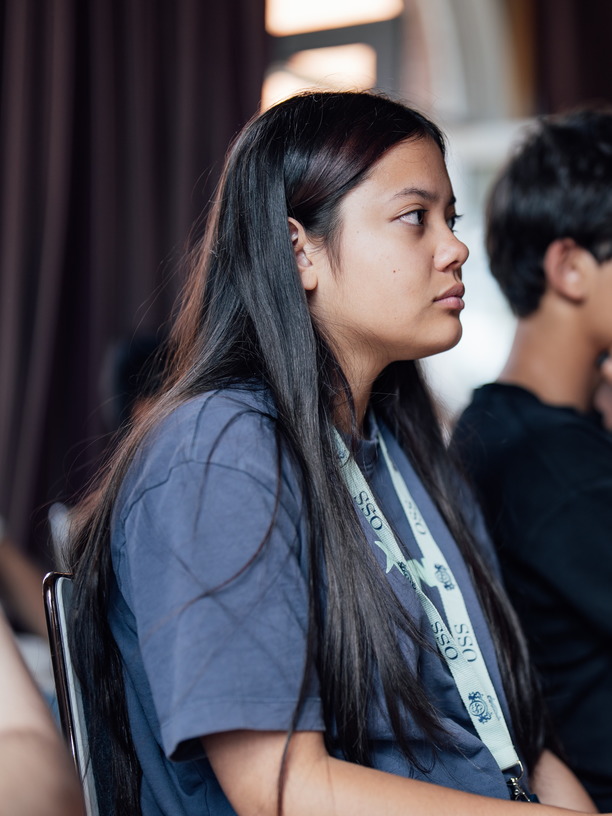
Isabela, Singapore (Stream D: Law, Politics, and International Relations)
“My OSS experience was amazing - it changed so much about my perspective on law, international relations, and university as a whole. My first seminar, on Socrates and the Republic, taught me the real importance of asking the right questions. Watching The Tempest performed live in a Cambridge college garden was unforgettable, and exploring the town itself, its architecture, its warmth, its social energy - made me fall in love with Cambridge. But the biggest change was in why I want to go to university at all. I used to see it as just the expected next step; now I genuinely want to learn more about the subjects I love, thanks to OSS. I was nervous at first about making friends, but that faded so quickly, everyone is wonderful, and it's an experience you will not regret.”
Watch Isabela’s video review →
How does a summer programme help with university applications?
Oxford and Cambridge say plainly what they want to see. Cambridge advises that strong applicants have explored their chosen subject beyond what they learn at school. It calls this “super-curricular” activity and separates it from extra-curricular activities unrelated to the course (University of Cambridge: Improve your application). Oxford colleges publish guidance for applicants and their supporters as well (Lincoln College, University of Oxford: Supporting an applicant).
A summer programme in a subject a student wants to study is one way to do this. It works best when the student chooses it out of real curiosity and can explain what they learned, rather than simply listing it. A programme does not guarantee admission, and OSS is an independent organisation, not affiliated with the University of Oxford or the University of Cambridge and with no role in their admissions. Two students describe what this looked like for them.
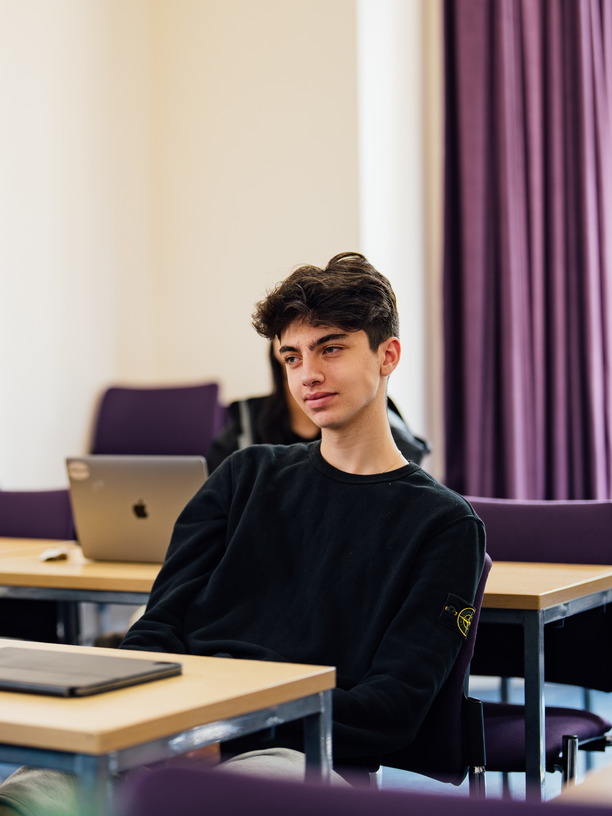
Alexander, Greece (Stream D: Law, Politics, and International Relations)
“I especially enjoyed learning how financial institutions and regulation work, and the classes at Oriel College made the academic experience feel truly immersive and motivating. The tutorials were incredibly valuable, particularly for UK university applications, as tutors offered clear guidance on personal statements and admissions. Over these two weeks, I narrowed my academic focus toward PPE. OSS also strengthened my interest in applying to the UK, giving me clarity, confidence, and a real sense of university-level study.”
Watch Alexander’s video review →
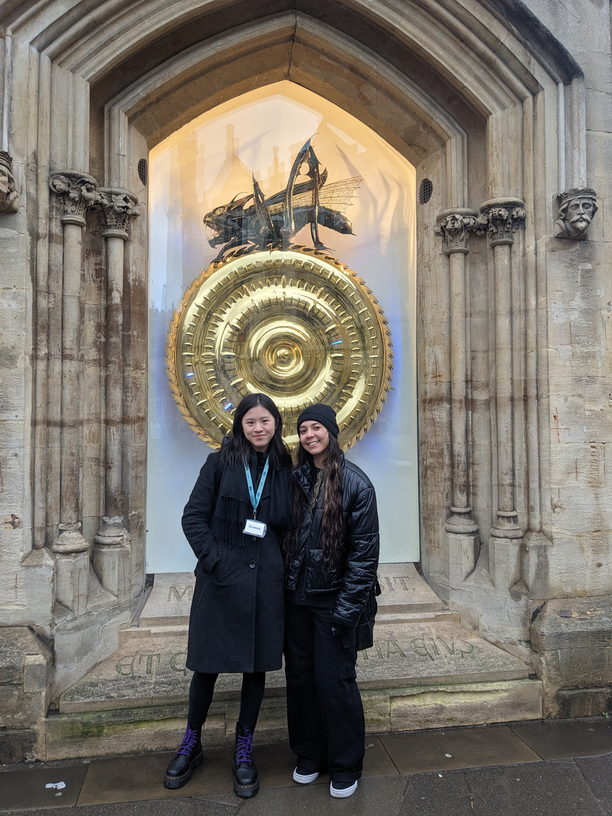
Glynnis, Canada (Stream A: Science, Innovation and Technology)
“The programme is demanding, but in the best possible way. It makes you want to engage, ask questions and learn as much as you can, and that's the same attitude you find in the other students. The lectures are incredibly engaging because the tutors encourage discussion and give everyone the opportunity to express their ideas, which is very different from my experience at school. I always leave each lecture wanting to learn even more. OSS has also made the university application process much clearer. The admissions sessions explained the entrance tests in great detail, and that's something that's very difficult to find back home in Canada. I now have a much better understanding of what I'll need to do to apply for biomedical engineering.”
Watch Glynnis’s video review →
Two studies give the closest evidence on summer programmes and university applications. The first is from the US: in a randomised study of three STEM summer programmes for high-achieving, STEM-interested students between their junior and senior years of high school, those offered a place were more likely to enrol at highly ranked colleges and to persist through and graduate from college, though the programmes did not change whether they went to college at all (Cohodes, Ho and Robles, 2024; J-PAL summary).
They do suggest that a summer programme at the right moment can influence which universities students apply to.
The second is from the UK. Researchers at the University of Bristol followed 1,750 students who attended one-week Sutton Trust summer schools at the universities of Bristol, Cambridge, Nottingham, Oxford and St Andrews. Attendees were more likely to apply to university and to register than unsuccessful applicants to the programme (93% and 84%, against 88% and 68%), and more likely to go on to a summer school university (23%, against 13%) (Hoare and Mann, 2011). These are access programmes for students from disadvantaged backgrounds, hosted by the universities themselves, so they are a different kind of programme from OSS. They are consistent with the idea that a residential taste of university study can influence application decisions.
How to choose a summer programme
The research above gives a consistent message: the benefit depends on how a programme is run. Larger gains are linked to intensive teaching in small groups by experienced teachers, and the admissions advice above favours a subject the student has chosen out of curiosity. In practice, that comes down to five questions:
- Who teaches, and how? Look for tutors with real subject expertise. Discussion-based tutorials and small-group work say more about university-level study than lectures alone.
- Is the subject the student’s own choice? A programme works best when the student picks it out of curiosity and can explain what they learned.
- Is the full cost clear? Ask what the price includes (teaching, accommodation, meals, activities, excursions) and what it does not, before you pay.
- Who runs it, and how does it describe its link to the universities? Many programmes in Oxford and Cambridge are independent and not part of the universities. No programme can guarantee admission, so be cautious about any that suggest otherwise.
- Does it leave room for rest? A summer programme should fit around the rest of the summer, not replace it.
These questions are easiest to apply when you can see the options side by side.
Our guide, Best Oxford and Cambridge Summer Schools for Teens: 2027 Comparison, compares the main programmes for teenagers.

Best Oxford and Cambridge Summer Schools for Teens: 2027 Comparison
Last updated: October 2026. Prices and dates are the published 2027 figures. Confirm them with each provider before you book.
Oxford and Cambridge summer schools can look similar in the brochures, but they differ in how they organise teaching, how large the groups are, what the rooms are like, and what the fee covers. This guide sets the main 2027 options side by side, using each provider's own published information.
A note on scope: we compare programmes that run in Oxford and Cambridge. Many of these providers also operate in other cities, including London, Paris, Barcelona, New York, Singapore and Tokyo. The table lists every location we found, while the details and prices refer to the Oxford and Cambridge programmes.
One disclosure up front. We run Oxbridge Summer Scholars (OSS), which appears below. We've listed ourselves in the same format as everyone else, in alphabetical order, and stated only what we publish. Where a provider doesn't publish a figure, we say "not stated" rather than guess.
Oxford and Cambridge summer schools compared at a glance (2027)
"Not stated" means we couldn't find the figure in the provider's 2027 materials. Immerse Education hadn't published 2027 prices for Oxford and Cambridge when we checked, so its 2026 price is shown. Oxbridge Academic Programs quotes its prices in US dollars, with a higher price from 1 January 2027, and describes ages by US school grade, so the sterling cost depends on the exchange rate.
How we compared the programmes
The information comes from each provider's website and its 2027 brochure or prospectus, collected in 2026. We compared the things families ask about most: locations, age groups, dates, teaching format, class size, rooms, price and financial aid. Programmes for which we found no 2027 information are left out. Where only part of the 2027 information is published, as with Immerse Education, we say so. We haven't rated or ranked anyone. This is a comparison of published facts, not a verdict on quality. If you represent one of these providers and spot an out-of-date detail, let us know through our contact page, and we'll correct it.
What to check before you choose
What kind of teaching is it, and how big are the groups?
A lecture is one expert speaking to a large group. A seminar is a discussion in a smaller group. A tutorial, the traditional Oxford and Cambridge format, puts one tutor with a very small group of students. Providers use these words loosely, so look at the group size attached to each one. The published figures are:
- Academy Royale International (formerly Oxford Royale): not stated.
- Atlas Summer Courses: seminars of up to 10; tutorials with two students per instructor.
- Immerse Education: 4 to 10 students per class, average 7 (some course pages say 8 to 12).
- International Summer School for Teens and Oxbridge Academic Programs: both describe their classes as small but publish no figure.
- Oxbridge Summer Scholars (OSS): lectures of about 40, seminars of 10 to 20, tutorials of 2 to 8 students.
- Oxford Scholastica: classes of up to 15.
Also look at what sits around the classes. Some programmes add an individual or personal project, masterclasses or workshops, and these shape the experience as much as group size does.
Single subject or several?
Providers split into two approaches. Course-based programmes, such as Atlas and Immerse Education, have students choose one subject and study it throughout. Others combine subjects. OSS uses interdisciplinary streams, and Academy Royale's 2027 "New Perspectives" and "Broadening Horizons" options let students take two or three subjects. Neither approach is better in general. It depends on whether the student already knows what they want to study.
What are the rooms like?
Bathroom arrangements vary by provider and sometimes by location. Academy Royale rooms are predominantly shared-bathroom, with a paid en-suite reservation on selected courses. Atlas offers three tiers: Plus (shared bathroom), and Superior and Premier (private room and bathroom). Immerse Education doesn't publish a single policy. The International Summer School for Teens gives each student a private en-suite bedroom at Oxford. At Oxbridge Academic Programs, rooms are singles or doubles, and a private bathroom is available for a fee on most programmes. OSS uses single bedrooms with shared or en-suite bathrooms, depending on the college. Oxford Scholastica offers en-suite or standard rooms.
What does the fee include?
Providers describe inclusions in different ways, so it helps to read each fee page. Atlas lists meals, a certificate, a standard Heathrow transfer and insurance. Immerse Education lists tuition, accommodation, meals, materials and its activity programme. The International Summer School for Teens lists tuition, en-suite accommodation, three meals a day, medical and travel insurance, airport transfers from selected airports, activities and excursions. OSS includes college accommodation, full board on weekdays, half board at weekends, all tutoring, trips and extracurricular activities, and 24/7 supervision by trained staff. Oxford Scholastica provides breakfast and dinner daily. Travel to the UK is usually arranged separately, so check this with each provider.
Is financial aid available?
Immerse Education offers essay-competition scholarships, a need-based bursary and partner-school scholarships. Oxbridge Academic Programs awards selective partial scholarships based on academic performance, financial need, and an application essay. The John Locke Institute says about one in five students receives support. Oxford Scholastica's scholarships go through partner charities such as IntoUniversity and The Access Project. Academy Royale, Atlas, the International Summer School for Teens, and OSS don't currently offer financial aid.
Which age group applies?
Age bands differ, and a student near a boundary can land in a different group at each provider. A 15-year-old is in the older group at Oxford Scholastica (15 to 18) but the younger group at Academy Royale (12 to 15), and sits in the Junior programme at OSS (14 to 15). Check which group applies, because the teaching format changes with it.
The programmes, one by one
Listed alphabetically.
Academy Royale International (formerly Oxford Royale)
- Where: Oxford (Balliol, St Peter's, St Catherine's) and Cambridge (Clare College). Academy Royale also runs programmes at Marlborough College.
- Ages: 12 to 15 and 16 to 18.
- Dates: two weeks. Oxford starts 4 July, 18 July and 1 August 2027; Cambridge starts 4 July and 18 July.
- Subjects: younger students choose from AI, business and entrepreneurship, engineering and design, film, law and justice, and medicine and modern healthcare, among others. Older students choose from architecture, business, economics and finance, engineering, law, medicine, psychology and international relations.
- Teaching: seminars, workshops and projects. "New Perspectives" lets younger students study two subjects plus a "Power Skills" workshop, and "Broadening Horizons" lets older students choose three. Class size isn't stated.
- Rooms: predominantly shared bathrooms; a paid en-suite reservation is available on selected courses.
- Financial aid: none.
Atlas Summer Courses (formerly Oxford Summer Courses)
- Where: Oxford (Somerville, St Hilda's, St Anne's) and Cambridge (Fitzwilliam, Sidney Sussex, Murray Edwards, Newnham). Atlas also runs programmes at Harrow School, and interest registration is open for programmes in the USA.
- Ages: 13 to 15, 16 to 17, 18 to 24.
- Dates: two-week courses. Oxford start dates run from 27 June to 15 August 2027; Cambridge from 27 June to 1 August.
- Subjects: five areas: humanities and writing; business and economics; sciences and medicine; maths, engineering and technology; law, politics and society.
- Teaching: seminars of up to 10 students, tutorial-style sessions with two students per instructor for ages 16 and over, and independent study.
- Financial aid: none.
It offers the widest choice of start dates in our research: six at Cambridge and eight at Oxford.
Immerse Education
- Where: Oxford, Cambridge and London, plus Sydney, New York, Toronto, Singapore and Tokyo, and online research courses.
- Ages: 13 to 15 and 16 to 18 at Oxford and Cambridge; 15 to 18 in London and overseas.
- Dates: 2027 dates for Oxford and Cambridge weren't published when we checked.
- Subjects: around 20 course options per Oxford and Cambridge location, from architecture to philosophy, politics and economics.
- Teaching: small-group seminars, practical sessions, guided independent study and a personal academic project.
- Class size: 4 to 10, average 7.
- Financial aid: essay-competition scholarships, a need-based bursary and partner-school scholarships.
Immerse Education also offers an online research option, one-to-one and self-paced, which gives students a way to try a subject before committing to a residential course.
International Summer School for Teens
- Where: the University of Oxford (on-campus accommodation) and the University of St Andrews in Scotland.
- Ages: 13 to 18.
- Dates: two weeks, residential. Oxford runs 4 to 17 July and 18 to 31 July 2027; St Andrews runs 25 July to 7 August.
- Subjects: academic classes in Advanced English with Study Skills, Intensive English Language, Global Leadership and Medicine, plus Coding and AI at Oxford and Global Entrepreneurship at St Andrews. Electives at both locations include golf, tennis, sports leadership, and photography and digital media. Theatre is offered at Oxford, and AI and computer science at St Andrews.
- Teaching: a dual-study format, with academic learning in the morning and sports coaching or creative electives in the afternoon. Classes are described as small; no figure is published.
- Rooms: a private en-suite bedroom for each student at Oxford.
- Financial aid: none.
It combines academic classes with English-language study and sport, which suits students who want a balance between study and activities. Excursions include London, Warwick Castle, and Oxford city.
Oxbridge Academic Programs
- Where: Oxford (Pembroke and Keble Colleges) and Cambridge (Jesus College and Peterhouse), plus Paris and Barcelona.
- Ages: US grades 8 to 9 (Oxford Experience, Cambridge Experience) and grades 10 to 12 (Oxford Tradition, Cambridge Tradition, Institute for Advanced Studies).
- Dates: Oxford Tradition runs 2 to 15 July and 17 to 30 July 2027; Cambridge Tradition runs 9 to 22 July and 24 July to 6 August. Combined four-week sessions are available, and the Oxford Experience and the Institute are four-week only.
- Teaching: classes meet in classrooms, labs and studios, or out and about in the city. On the Tradition programmes, students attend class three afternoons a week. At the Institute for Advanced Studies, students meet tutors in small groups six mornings a week for three hours and carry out their own research. The provider describes its classes as small; no figure is published.
- Financial aid: selective partial scholarships.
It has the most four-week programmes in our research, and a dedicated track for younger grades. An optional Paris add-on of 4 to 6 days is available after the main sessions.
Oxbridge Summer Scholars (OSS)
- Where: Oxford and Cambridge.
- Ages: Junior Programmes for ages 14 to 15, Senior Programmes for ages 16 to 19.
- Dates: 6 to 19 December 2026; 4 to 17 July, 18 to 31 July and 1 to 14 August 2027.
- Streams: Science, Innovation and Technology; Medical and Biological Sciences; Business, Economics and Entrepreneurship; Law, Politics and International Relations.
- Interdisciplinary approach: programmes are designed to expose students to a wide range of subjects and perspectives, while still letting them focus on their primary area of interest.
- Teaching: built around the Oxford and Cambridge tutorial system, with lectures of about 40 students, seminars of 10 to 20 and tutorials of 2 to 8. More than 50 tutors teach on each programme, and every student completes an individual project.
- Rooms: single bedrooms with shared or en-suite bathrooms, depending on the college.
- Financial aid: none.
OSS puts the tutorial system, a team of tutors across several fields and an individual project at the centre of the format. Students who want that Oxford-style structure, or who haven't settled on a single subject, may find it a good fit.
Oxford Scholastica Academy
- Where: Oxford only, in colleges including St Anne's, Hertford, Corpus Christi and St Peter's, plus online courses.
- Ages: 12 to 14 and 15 to 18.
- Dates: two-week programmes start 4 July, 18 July and 1 August 2027. Four-week options run 4 to 31 July and 18 July to 14 August.
- Teaching: ten days of classroom learning, 12 hours of masterclasses, an industry Q&A session and a practical academic challenge. Classes are capped at 15.
- Rooms: en-suite or standard, with breakfast and dinner daily.
- Financial aid: through partner charities. The provider reports 225 students and more than 10,000 hours of free support a year on its OxBright Scholars programme.
Alongside the residential programme, Oxford Scholastica runs online courses of one or two weeks, with live teaching on Zoom, and a four-session online internship.
Other options worth knowing about
- John Locke Institute: one-week courses centred on philosophy, politics, economics and related subjects, taught through lectures and small-group discussions called precepts. Locations include Oxford, Cambridge (Clare College), Singapore, Dubai, Washington DC, Princeton, Boston and Hong Kong, mostly for ages 12 to 19. Most 2027 dates were still to be confirmed.
- Academy Royale International: programmes for younger students and English-language learners at Marlborough College, lasting one to four weeks.
- Atlas Summer Courses: week-long programmes at Harrow School for ages 9 to 14.
How to choose: match the programme to the student
Every student is different, and there is no single "best" summer school for everyone. Priorities naturally vary depending on a student's goals, personality, and academic background. When evaluating options, consider how well a programme aligns with specific individual needs:
- Wants to go deep on one subject: look at course-based programmes where students pick a single subject, such as Atlas or Immerse Education.
- Hasn't decided on a subject: look at multi-subject formats, such as OSS streams.
- Wants the Oxford tutorial model at the centre: OSS builds its programme around lectures, seminars, tutorials and an individual project.
- Wants a strong academic programme: compare the published academic hours as well as the subject list. OSS offers 57 hours of academic contact over the two weeks. Immerse Education's programme guide describes about 40 hours, and Atlas lists 20 to 24 hours of seminars and tutorials, plus independent study. Several providers don't publish hours at all, so ask for the weekly timetable.
- Wants the smallest groups: Immerse Education reports an average of 7, and Atlas caps seminars at 10. Each OSS programme offers tutorials for groups of 2 to 8 students. For any provider, ask about tutorial size as well as seminar size.
- Needs financial help: Immerse Education, Oxbridge Academic Programs and the John Locke Institute publish aid routes; Oxford Scholastica works through partner charities.
- Is 12 to 15: Oxford Scholastica, Academy Royale, Atlas (from 13), Immerse Education (from 13), the International Summer School for Teens (from 13), Oxbridge Academic Programs (grades 8 to 9) and the OSS Junior programme (14 to 15) all run younger groups.
- Wants to study combined with sport or English-language practice: the International Summer School for Teens pairs morning classes with afternoon sports or creative electives.
- Wants more than two weeks: Oxford Scholastica and Oxbridge Academic Programs offer four-week programmes.
A short checklist before you book
- Academic approach and subject focus: Decide whether the priority is going deep into a single subject or exploring interdisciplinary streams to narrow down degree options.
- Teaching format and study volume: Look at how the teaching is delivered and check the total number of academic hours to match the desired level of intensity.
- Balance of academics and extracurriculars: Consider whether an intensive study environment with personal research fits best, or a program that offers a broader mix of academics, sports, electives, and excursions.
- Age group and environment: Ensure the age bands group students with peers of similar academic readiness and maturity.
- Location and accommodation: Choose between specific college settings and towns, alongside living preferences such as single rooms or en-suite bathrooms.
- Practical inclusions and terms: Review what the fee covers: meals, supervision, excursions, transfers. Read the cancellation and transfer terms before paying the deposit.
Does a summer school help with a university application?
Attending a summer school is not a formal entry requirement for Oxford, Cambridge, or other top universities, and admissions tutors do not award points simply for attendance. A strong programme helps a student see whether a subject really interests them, test university-level teaching, and gain specific, reflective material to write about in a personal statement or discuss in an interview.
While application prep is a major factor, it is only one part of the broader value of summer study. To explore how staying academically active over the break builds lasting confidence, skills, and motivation, read our guide on The benefits of summer learning: why continuing education during summer matters.
Frequently Asked Questions
What makes Oxbridge Summer Scholars different from other summer programmes?
Oxbridge Summer Scholars stands out for its academic intensity, intellectual breadth, and immersive learning environment. The two-week programme for students aged 14-19 is divided into specialised Streams, allowing each student to explore their academic interests in depth while experiencing life at one of the world’s most prestigious university settings.
Each day combines a diverse range of subjects and teaching styles, led by expert tutors and academics from top UK universities. Through Oxbridge-style small-group tutorials, seminars, and interactive sessions lasting up to eight hours a day, students expand their knowledge, sharpen their analytical and independent learning skills, and build a strong foundation for future university success.
Who is eligible for the OSS programme?
To join the programme, applicants should be:
- Aged 14-15 for the Junior Programme or 16-19 for the Senior Programme
- Current school students or on a gap year (university or college students are not eligible)
- Proficient in English (minimum Upper-Intermediate level)
- Academically motivated and eager to participate in a rigorous learning environment
These requirements ensure that all participants enjoy an enriching, engaging, and comfortable academic experience, fully able to interact and collaborate with tutors and peers.
How is the programme structured?
Senior Programme: designed for students aged 16-19, the Senior Programme offers:
- 6-8 hours of academic sessions per day, including lectures, seminars, and tutorials
- small-group teaching led by experienced tutors from prestigious universities and field experts
- A range of extracurricular activities and cultural excursions that complement academic learning
Junior Programme: tailored for students aged 14-15, the Junior Programme combines:
- 3-4 hours of academic sessions in the mornings
- Hands-on activities such as museum visits, workshops, and fieldwork in the afternoons
- Engaging extracurricular activities and cultural excursions to inspire curiosity and learning
Where are the programmes held, and are they affiliated with Oxford or Cambridge?
The Oxbridge Summer Scholars programmes take place in Oxford and Cambridge, giving students the opportunity to experience life within some of these renowned colleges and immerse themselves in the rich academic traditions of these institutions.
While students enjoy an authentic campus experience, the programme is independent and not formally affiliated with either university. All teaching and activities are privately run by OSS, following an Oxbridge-style approach.
How do I apply?
To join the programme, applicants must:
- Complete the online application form on the OSS website
- Attend an interview with the admissions team
- Await confirmation and the official offer via email
How can I contact the admissions team?
- Email: admissions@oxbridgesummerscholars.com
- Book a consultation call via the 'Book a Call' feature on the website
Download our programme brochure